• 002
Two hundred years ago, whoever controlled the seas controlled trade, power, and the future. Fifty years ago, the same was true of airspace. Today, that high ground is moving to orbit.
And almost nobody has noticed.
A European aerospace company, based in Munich. Europe needs dominance in this final frontier.
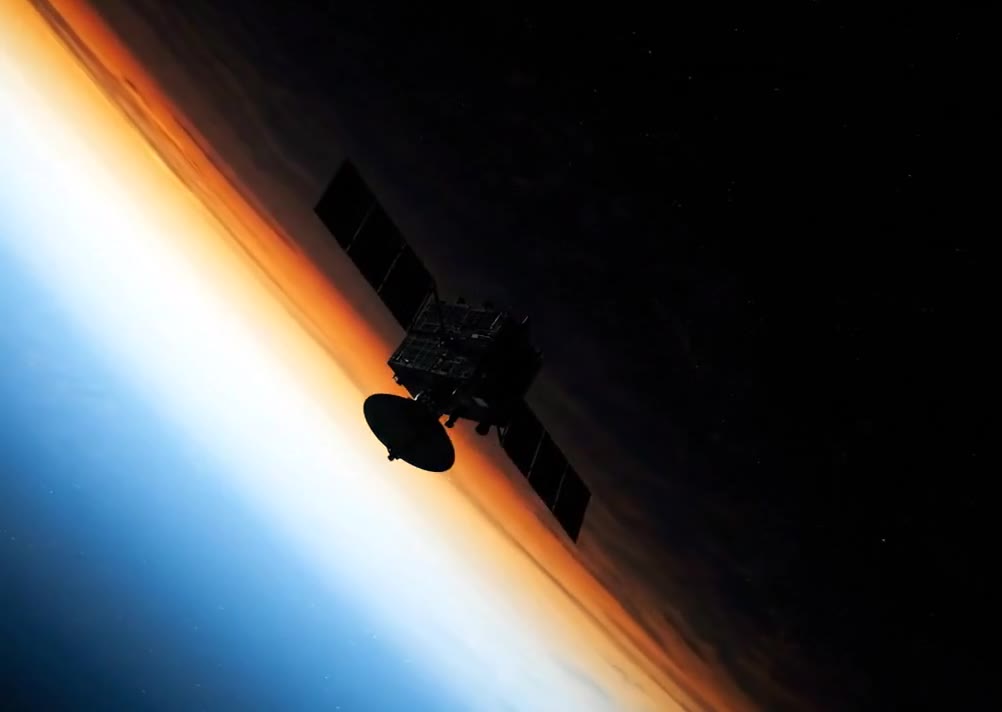
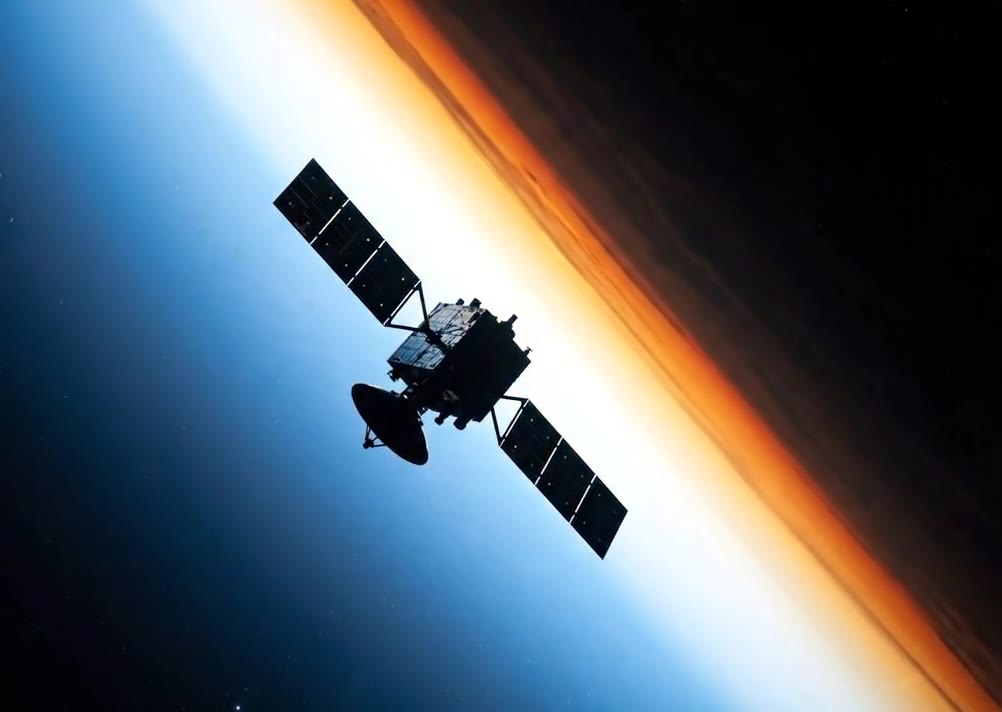
Seas. Then airspace. Now orbit.
And almost nobody has noticed.
From a 95-minute lap at 550 km to a full sidereal day at 35,786 km, where a satellite holds still over one point on the equator.
Each shell is a Walker-delta pattern: altitude, inclination, plane count and phasing. Pick one to fly the explorer straight to it — or scroll on to see them all at once.
Every point is a satellite on a circular orbit, propagated from its elements at the warp you choose. Drag to rotate, hover to inspect, click to pin.
Optical links stitch fifteen hundred satellites into a single network.
From 35,786 km, one satellite keeps over 40% of the planet's surface in view.
Polar orbits cross every latitude as the Earth turns beneath them.
Rotate your device to portrait for the full experience.